Completing The Work Is Not The Same As Being Ready To Operate
As execution comes to an end, pressure begins to increase.
Operations wants the facility returned.
Contractors are preparing to leave.
Outstanding deficiencies remain.
Signoffs are still being completed.
Documentation is being assembled.
Leadership needs confidence that startup can proceed safely.
The challenge is not finishing the work.
The challenge is proving the facility is ready to operate.
Voices From The Field
What Turnaround Teams Tell Us
"If there's any reason to use STOworx, it's the Completion Management module."
— Event Leadership User
"We went from downtime caused by lost documents to nearly none."
— Former Turnaround Lead
The Challenge
The Challenge
The final days of a turnaround often create the highest pressure of the entire event.
Operations wants production restored.
Contractors are demobilizing.
Outstanding work remains.
Deficiencies are being reviewed.
Approvals are still occurring.
Documentation must be completed.
Many organizations discover that readiness information is scattered across spreadsheets, shared drives, binders, emails, and conversations.
Completion documentation.
Signoffs.
Deficiencies.
Punch items.
Operational concerns.
Startup readiness evidence.
The challenge is not completing work. The challenge is proving that startup can proceed with confidence.
Common Friction Points
Common Friction Points
Startup Decisions Depend On Incomplete Information
Completion documentation, approvals, deficiencies, and readiness evidence often exist in multiple locations.
Outstanding Deficiencies Remain Difficult To Assess
Punch items, unresolved issues, and incomplete work become increasingly difficult to evaluate collectively.
Critical Information Is Lost Between Shifts
Emerging concerns, startup risks, priorities, and operational observations are frequently communicated through informal channels.
Documentation Becomes A Last-Minute Exercise
Teams spend valuable time searching for records, approvals, supporting documents, and startup information.
Leadership Struggles To Understand Readiness
Management needs confidence that systems are truly ready before startup decisions are made.
Lessons Learned Are Lost To Time
Organizations move on to the next event before critical knowledge can be effectively captured and applied.
How STOworx Helps
How STOworx Supports Startup, Turnover & Closeout
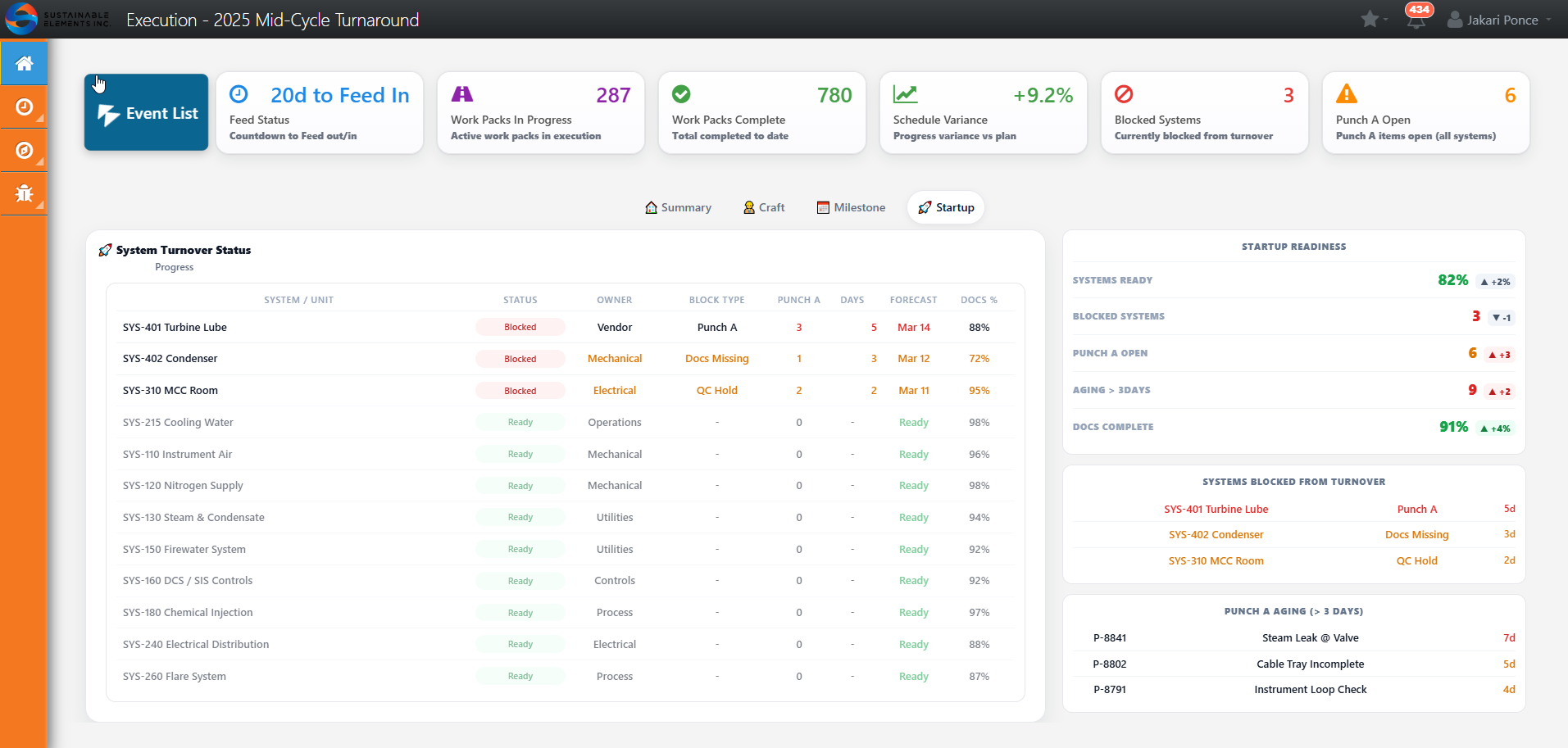
Build Startup Confidence Using Evidence
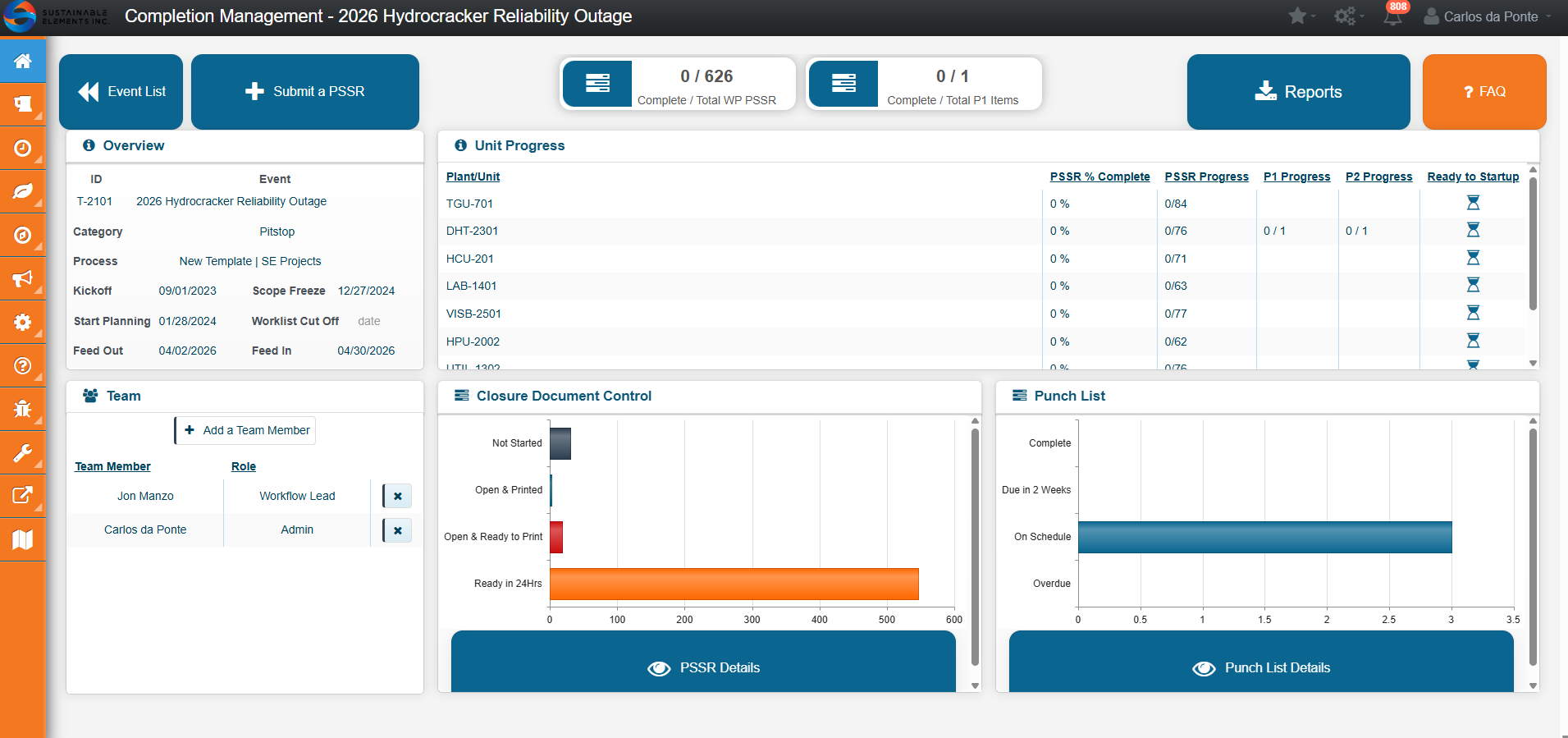
Completion Management combines completion documentation, signoffs, approvals, deficiencies, and startup readiness activities into a structured workflow.
Maintain Visibility Into Outstanding Work
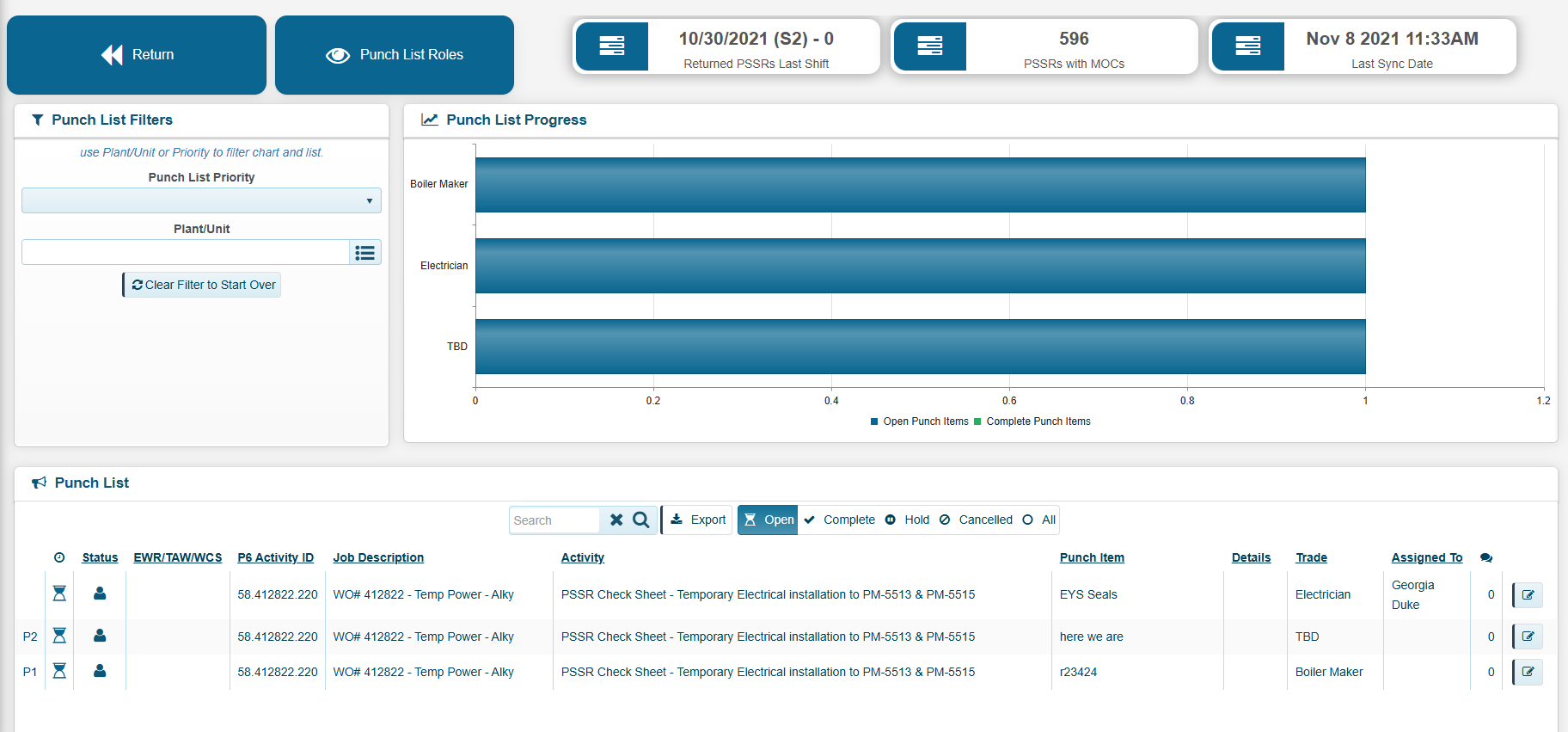
Track deficiencies, punch items, incomplete work, and outstanding actions through startup and beyond.
Improve Shift-To-Shift Operational Awareness
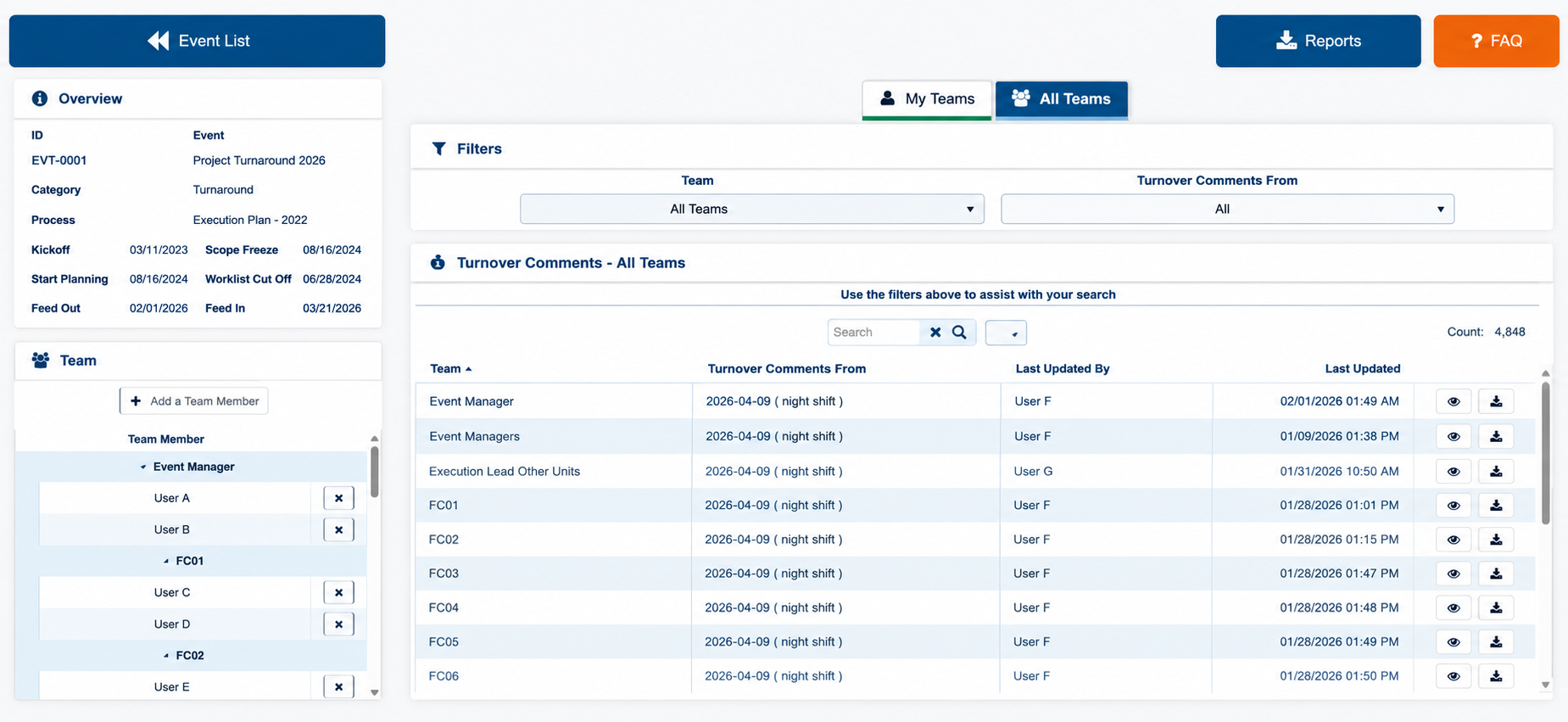
Turnover Comments provide structured communication between coordinators and shifts, ensuring priorities, emerging concerns, successes, delays, and startup risks remain visible.
Preserve Completion Documentation In One Location
Provide centralized access to completion records, approvals, startup documentation, and supporting evidence.
Continue Managing Punch Items After Startup
Not every deficiency must be resolved before startup. Some items require continued tracking and accountability after the turnaround has returned to operation.
Capture Knowledge For Future Events
Lessons learned become structured organizational knowledge that can support future turnaround planning and readiness activities.
Platform Components
Components Commonly Used During Startup, Turnover & Closeout
The final phase of a turnaround requires visibility into readiness, deficiencies, startup documentation, operational communication, and organizational learning. STOworx provides connected tools that support the transition from execution to operation while preserving valuable knowledge for future events.
Completion Management
Purpose
Manage startup readiness, completion documentation, approvals, signoffs, deficiencies, and punch items through a structured workflow.
Typical Uses
- Startup readiness
- Completion tracking
- Signoff management
- Approval workflows
- Deficiency tracking
- Punch item management
- Completion documentation
- Startup reporting
Operational Outcome
Provides documented evidence that required completion activities have been achieved while maintaining visibility into remaining deficiencies and outstanding work.
Turnover Comments
Purpose
Provide structured communication between turnaround coordinators, supervisors, and leadership throughout startup and closeout activities.
Typical Uses
- Shift handovers
- Startup concerns
- Priority tracking
- Delay communication
- Operational observations
- Constraint communication
- Success reporting
- Leadership awareness
Operational Outcome
Improves continuity between shifts while ensuring leadership maintains visibility into developing issues, startup concerns, operational priorities, and event status.
Team Task Management
Purpose
Manage follow-up actions, deficiencies, punch items, and post-turnaround responsibilities.
Typical Uses
- Action tracking
- Punch item follow-up
- Responsibility assignment
- Notifications
- Closure management
- Accountability tracking
Operational Outcome
Maintains visibility into outstanding work while preserving accountability through completion.
Lessons Learned
Purpose
Capture operational knowledge and improvement opportunities while they remain fresh.
Typical Uses
- Lessons capture
- Improvement recommendations
- Future planning input
- Knowledge retention
- Event reviews
- Continuous improvement
Operational Outcome
Turns operational experience into future planning intelligence.
Differentiator
Startup Confidence Comes From Visibility
Many organizations manage completion documentation, signoffs, punch items, startup concerns, and lessons learned separately.
STOworx connects:
Completion status
Signoffs
Deficiencies
Punch items
Startup readiness
Turnover Comments
Lessons Learned
into a single operational workflow.
This allows leadership to understand not only what remains open, but whether the organization is ready to move forward with confidence.
Connected Workflow
The Turnaround Doesn't End At Startup
Strategic planning established the objectives.
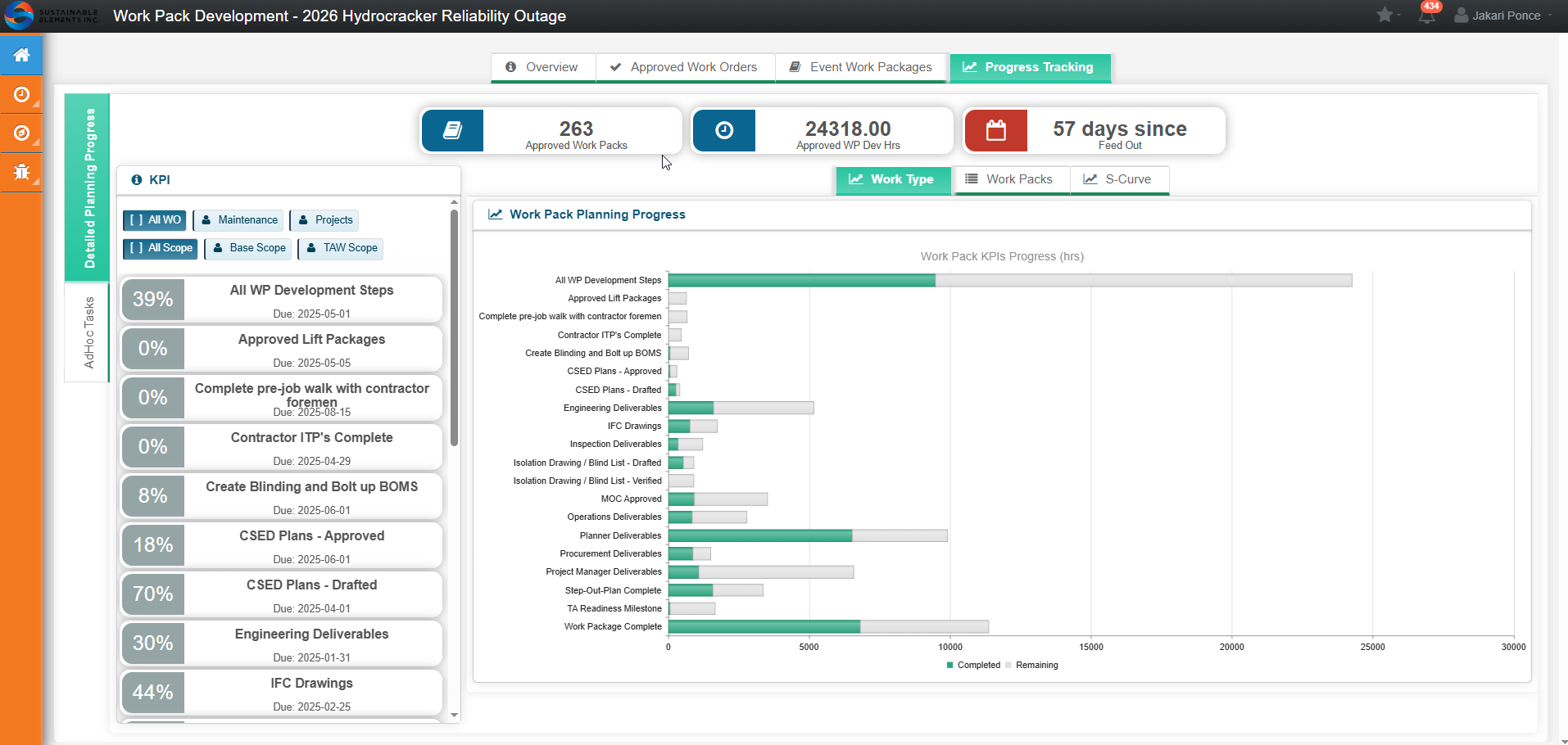
Work package development prepared the work.
Readiness validated the plan.
Execution completed the scope.
Startup and closeout determine whether the organization achieved the desired outcome safely and successfully.
The knowledge captured during this phase becomes one of the most valuable inputs into the next turnaround.
STOworx preserves those relationships across events, facilities, and turnaround cycles.
Success Indicators
What Better Looks Like
Evidence-based startup decisions
Visibility into deficiencies and punch items
Structured completion workflows
Improved shift-to-shift communication
Faster access to completion documentation
Knowledge preserved for future events
Startup Decisions Should Be Based On Confidence, Not Assumptions
The challenge is not finishing the work. The challenge is knowing when the organization is truly ready to return to operation. Let's discuss how STOworx helps teams manage completion, startup readiness, deficiencies, communication, and organizational learning.
Book a Conversation