A Schedule Is Only As Reliable As The Readiness Behind It
A schedule can only be as reliable as the readiness behind it.
Materials.
Work packages.
Engineering deliverables.
Contractor preparation.
Operational support.
When any of these are incomplete, execution risk increases.
The challenge is not building the schedule.
The challenge is knowing whether the organization is truly ready to execute.
Voices From The Field
What Event Leaders Tell Us
"As the VP of Operations responsible for multiple facilities, being able to see refinery A, refinery B, and refinery C in one location is far more valuable than looking at individual events."
— Former Refinery VP
"The benefit is in standardizing the approach and making it instantly visible who owns what and what's complete versus incomplete."
— Former Turnaround Lead
The Challenge
The Challenge
By the time a turnaround schedule is developed, thousands of planning hours have already been invested.
Work packages have been built.
Contractors have been engaged.
Materials have been ordered.
Activities have been scheduled.
The remaining challenge is determining whether the organization is truly ready.
Many readiness issues remain hidden until execution:
- Work packages are incomplete
- Contractors identify concerns during final reviews
- Materials are unavailable
- Congestion creates access limitations
- Operations activities conflict with maintenance work
- High-risk work overlaps in the same location
The schedule may be technically correct while still being operationally unrealistic.
Common Friction Points
Common Friction Points
Scheduled Does Not Mean Ready
Activities are placed on the schedule before readiness requirements have been achieved.
Work Front Conflicts Remain Hidden
Congestion, overlapping work, and competing access requirements are difficult to identify using schedule data alone.
Contractors Review Work Too Late
Final work package reviews often reveal issues after schedules have already been committed.
Readiness Information Lives In Different Systems
Work package status, planning progress, contractor reviews, and schedule information rarely exist in one place.
Operations And Maintenance Compete For Space
Operational work, maintenance activities, laydown areas, cranes, and restricted zones frequently overlap.
Leadership Lacks Confidence In Readiness
The schedule exists, but nobody can confidently answer whether the event is truly ready to begin.
How STOworx Helps
How STOworx Supports Scheduling & Readiness
Connect Readiness To The Schedule
Combine planning progress, work package readiness, contractor reviews, milestone completion, and execution schedules to provide a clearer view of readiness.
Review The Event Before It Happens
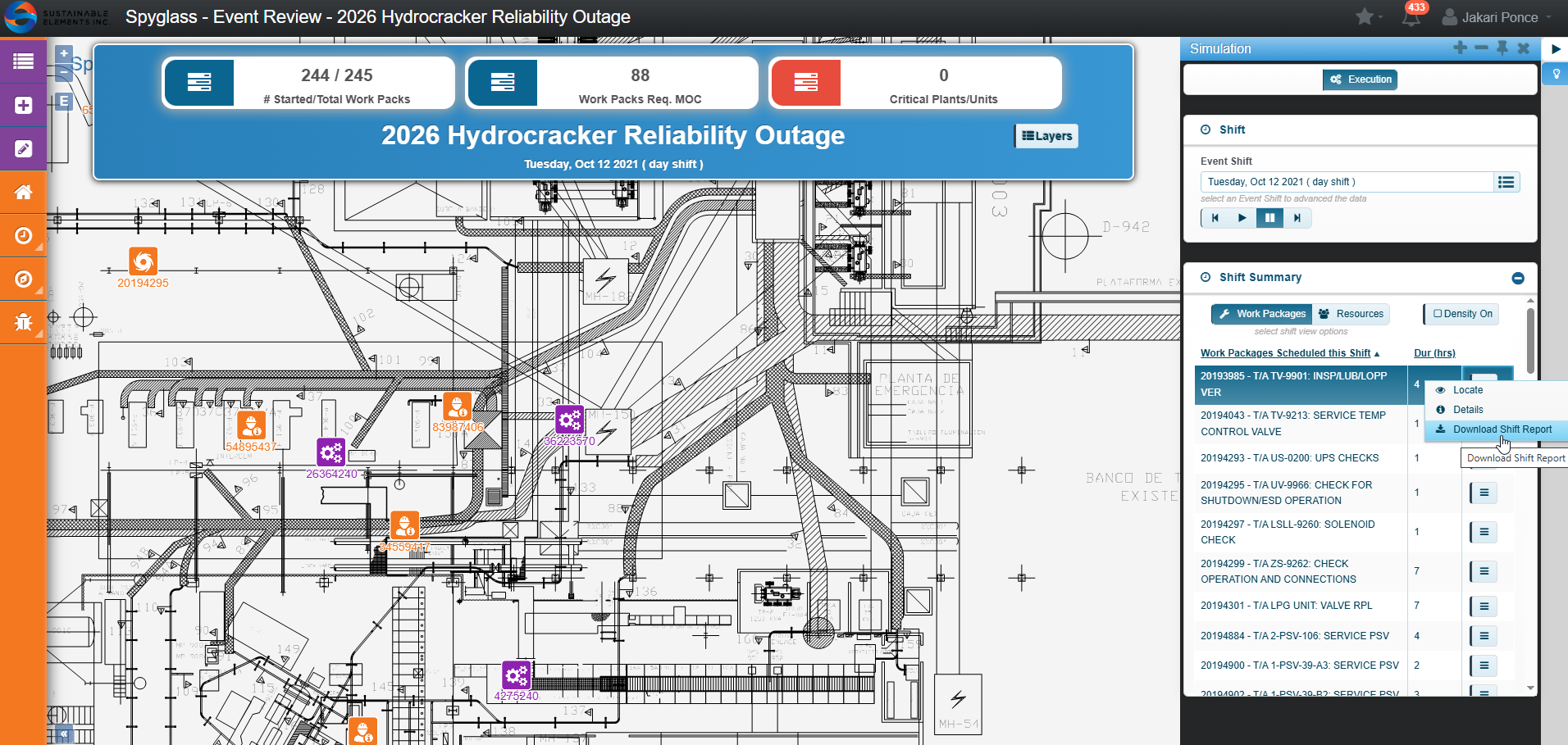
Use schedule playback capabilities within Spyglass to walk through the turnaround shift-by-shift and review planned work before execution begins.
Visualize Operational Constraints
Overlay work locations, operational activities, congestion areas, equipment laydown locations, crane locations, restricted access areas, and high-risk work locations for review and consideration.
Create A Collaborative Schedule Review Environment
Provide schedulers, planners, contractors, operations personnel, and leadership with a common environment for validating readiness assumptions and reviewing the event together.
Reduce Surprises During Execution
Identify readiness gaps, work front conflicts, congestion risks, and operational constraints before they impact field execution.
Platform Components
Components Commonly Used During Scheduling & Readiness
Scheduling & Readiness focuses on validating that what is scheduled is actually ready to execute. STOworx provides connected tools that support readiness review, conflict identification, schedule visualization, and execution confidence.
P6 Integration
Purpose
Provide the schedule foundation used to power readiness reviews, schedule playback, reporting, work package coordination, and operational visualization.
Typical Uses
- Schedule synchronization
- Daily look-aheads
- Step-out plans
- Contributor assignments
- Progress reporting
- Readiness reporting
- Schedule review
Operational Outcome
Allows organizations to leverage existing scheduling investments while improving collaboration, visibility, and readiness validation.
Spyglass
Purpose
Transform schedule data into a visual environment that allows teams to review how work will occur across the facility.
Typical Uses
- Schedule playback
- SIMOPS reviews
- Congestion analysis
- Work front visualization
- Operational coordination
- Laydown area visibility
- Crane location visibility
- Restricted area visibility
Operational Outcome
Provides visibility into operational conflicts and execution risks before work reaches the field.
Work Pack Development
Purpose
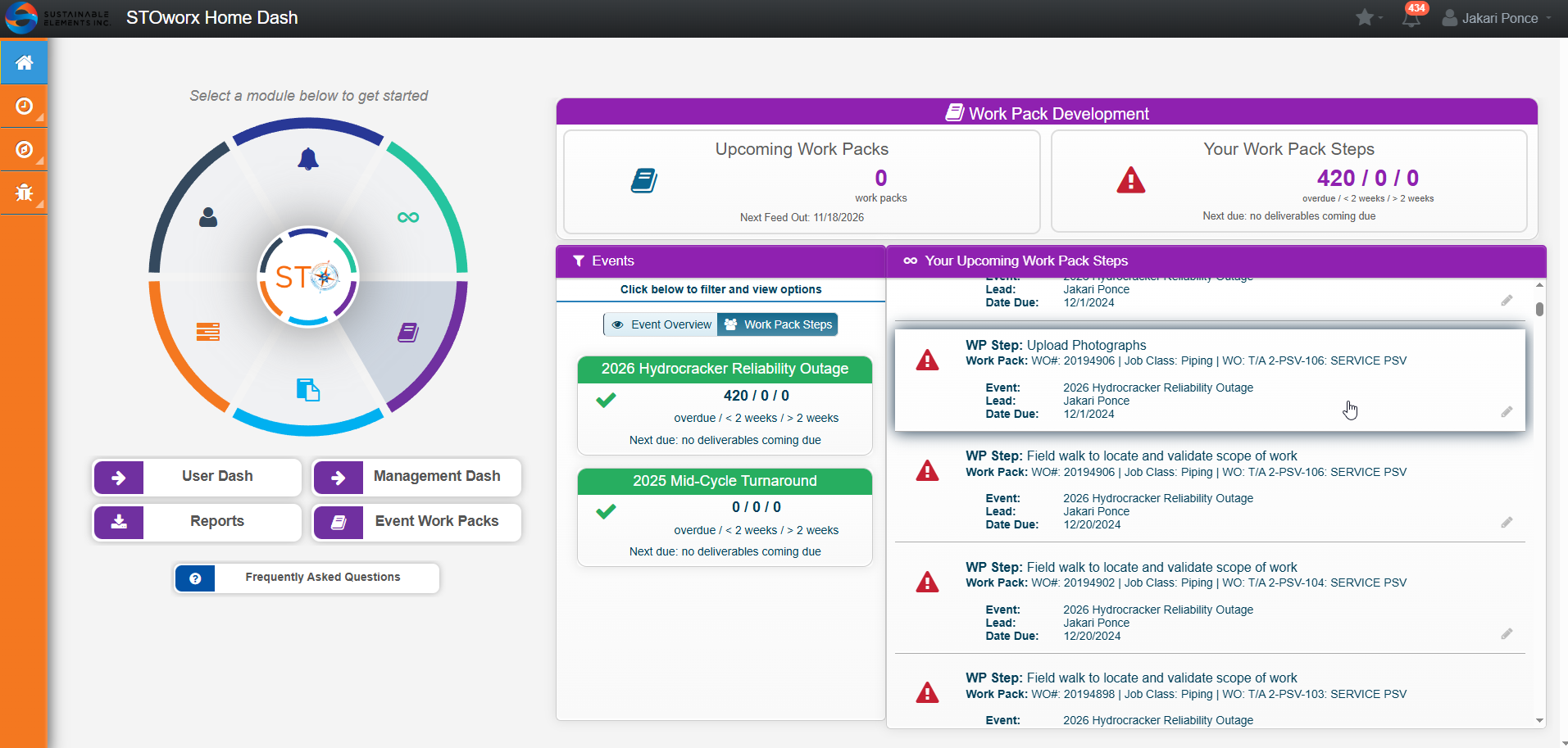
Provide visibility into work package readiness and support contractor review activities.
Typical Uses
- Contractor reviews
- Package readiness
- Deliverable verification
- Readiness validation
Operational Outcome
Improves confidence that scheduled activities are supported by complete and reviewed work packages.
Plan2Plan
Purpose
Provide visibility into milestone completion and readiness progress that support schedule confidence.
Typical Uses
- Milestone tracking
- Readiness tracking
- Deliverable completion
- Strategic readiness reviews
Operational Outcome
Helps organizations understand whether readiness commitments have been achieved before execution begins.
Connected Workflow
Readiness Connects Planning To Execution
Strategic planning establishes readiness objectives.
Work package development prepares the work.
Scheduling determines when the work should occur.
Readiness validates whether the organization is prepared to execute the work safely and efficiently.
Execution ultimately reveals whether those assumptions were correct.
STOworx helps organizations review and validate those assumptions before shutdown begins.
Success Indicators
What Better Looks Like
Schedules supported by readiness data
Improved confidence in execution plans
Early identification of work front conflicts
Better contractor alignment
Reduced execution surprises
Greater visibility into operational readiness

Know What's Ready Before Execution Begins
The schedule should reflect operational reality, not assumptions. Let's discuss how STOworx helps organizations connect readiness, planning, scheduling, and operational review before execution begins.
Book a Conversation